Interview Prep for Success
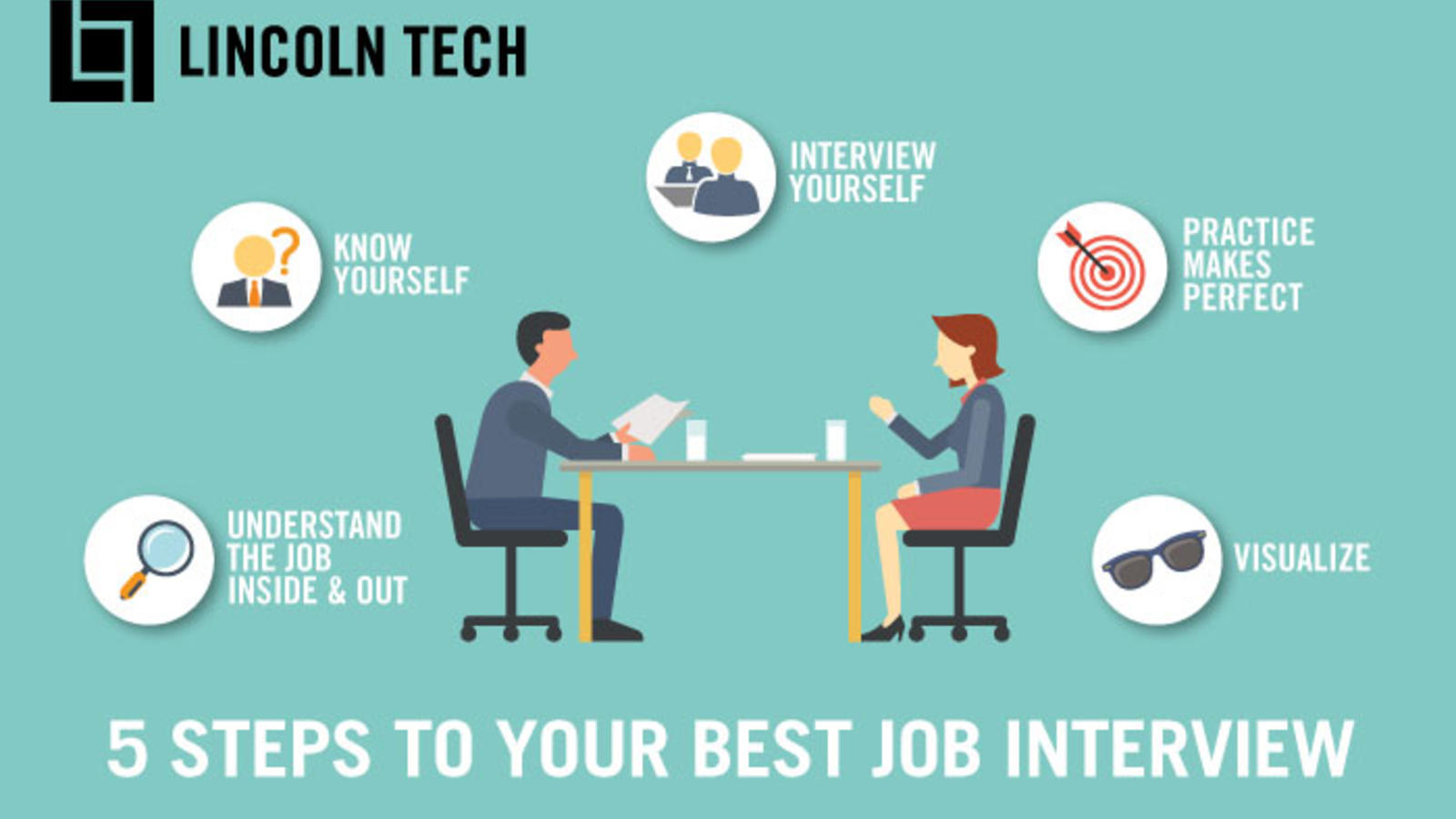
Preparing for a job interview is a critical step in any job search, significantly increasing your chances of making a positive impression and securing an offer. Thorough preparation demonstrates your professionalism, enthusiasm for the role, and respect for the interviewer’s time. It allows you to walk into the conversation with confidence, ready to articulate your skills and experiences effectively. According to career experts, a well-prepared candidate can navigate challenging questions and better showcase how their qualifications align with the company’s needs. A recent guide from the University of California, Berkeley, emphasizes that preparation is key to transforming interview anxiety into confident performance Berkeley Career Engagement.
Learn more ➜
See opportunities ➜
View guide ➜
You will stay on this site.
Research the Company and Role
Before any interview, you must conduct in-depth research on the company and the specific role you’re applying for. Go beyond the homepage; explore the company’s “About Us” page, read recent press releases, and understand their mission, values, and culture. Familiarize yourself with their products or services, key leadership, and recent accomplishments. This knowledge will enable you to tailor your answers and ask insightful questions. For the role itself, deconstruct the job description. Identify the key responsibilities and required qualifications, and be prepared to provide specific examples from your past experiences that demonstrate your proficiency in each area. This targeted approach shows the hiring manager that you’ve done your homework and are genuinely interested in this specific opportunity.
Mastering Common Interview Questions
While you can’t predict every question, you can prepare for the most common ones. Expect to encounter questions like “Tell me about yourself,” “Why are you interested in this role?” and “What are your strengths and weaknesses?” Prepare concise, compelling answers for each. The “Tell me about yourself” question is your opportunity to deliver a powerful elevator pitch that connects your background to the job. For behavioral questions, which often start with “Tell me about a time when…,” the STAR method (Situation, Task, Action, Result) is an invaluable tool. It provides a structured way to craft clear and impactful stories that showcase your skills. The U.S. Department of Labor offers resources for veterans transitioning to civilian jobs, which include excellent advice on how to frame military experience for common interview questions DOL VETS that is applicable to all job seekers.
Utilize the STAR Method for Behavioral Questions
Hiring managers frequently use behavioral questions to assess your past performance as an indicator of future success. Preparing responses using the STAR method is one of the most effective interview skills you can develop. Let’s break it down:
- Situation: Briefly describe the context. Where were you working and what was the challenge or situation you faced?
- Task: Explain your specific role or responsibility in that situation. What was the goal you were trying to achieve?
- Action: Detail the specific steps you took to address the situation. Focus on your individual contributions and use strong action verbs. This is the core of your story.
- Result: Quantify the outcome of your actions whenever possible. What was the positive result? Did you save money, increase efficiency, or improve customer satisfaction? Sharing concrete results makes your answer more memorable and impactful. Many university career centers, like that of the University of Washington, provide detailed guides on using this technique University of Washington Career Center.

Prepare Your Questions and Final Logistics
An interview is a two-way street. At the end of the session, you will almost always be asked, “Do you have any questions for us?” Having thoughtful questions prepared demonstrates your engagement and helps you evaluate if the company is the right fit for you. Ask about team dynamics, opportunities for growth, or what success looks like in the first 90 days. Avoid asking questions about salary or benefits until an offer is on the table, unless the interviewer brings it up first. Finally, confirm the logistics. For a virtual interview, test your technology beforehand. For an in-person meeting, plan your route and know what to wear for the interview. A professional, clean appearance is crucial. As noted by Harvard Business School, asking intelligent questions can set you apart from other candidates Harvard Business School.
A successful interview is a conversation, not an interrogation. Preparation allows you to move beyond simply answering questions and engage in a meaningful dialogue that showcases your personality, expertise, and genuine interest in the role, ultimately convincing the employer that you are the ideal candidate for their team.
Following Up After the Interview
The process isn’t over when you leave the room. Sending a thank-you note within 24 hours is a professional courtesy that reinforces your interest in the position. A well-written follow-up can be a powerful tool to reiterate your qualifications and mention any key points you may have forgotten to discuss. In your message, thank the interviewer for their time, reference a specific point from your conversation to jog their memory, and briefly restate your enthusiasm for the role. This simple act can leave a lasting positive impression and keep you top of mind as they make their final decision. According to a recent article, a personalized thank-you email can significantly impact a hiring manager’s decision Forbes.
By investing time in these key areas—research, practice, and follow-up—you position yourself as a serious, prepared, and highly capable candidate. This structured approach builds the confidence needed to excel in any job interview and take the next step in your career.
Conditions may vary; check official rules.
Sources: https://career.berkeley.edu/plan/interview/, https://www.dol.gov/agencies/vets/veterans/jobs, https://www.forbes.com/sites/ashleystahl/2024/04/23/how-to-write-a-thank-you-email-after-an-interview/