Preparing for the AI Job Market


The integration of artificial intelligence into the global economy is profoundly reshaping the job market, moving beyond theoretical discussions to tangible, everyday impacts. While some roles are being automated, new opportunities are emerging that require a blend of traditional expertise and new AI-related competencies. According to the latest AI Index Report from Stanford University’s Institute for Human-Centered Artificial Intelligence, AI has begun to have measurable effects on labor, with a notable increase in AI-related job postings across nearly every sector in the United States. Preparing for this shift is no longer optional; it’s a critical component of modern career development and requires a proactive approach to skill-building and self-presentation.
You will stay on this site.
Navigating this new landscape means looking beyond the headlines about job displacement and focusing on strategic adaptation. Professionals who learn to leverage AI as a tool for productivity and innovation will gain a significant competitive advantage. This involves not only acquiring new technical skills but also refining the uniquely human abilities that AI cannot replicate, such as emotional intelligence, complex problem-solving, and creativity. By thoughtfully updating your professional toolkit—from your resume to your interview techniques—you can position yourself not just to survive the AI revolution, but to thrive in it.
Revamping Your Resume for the AI Era
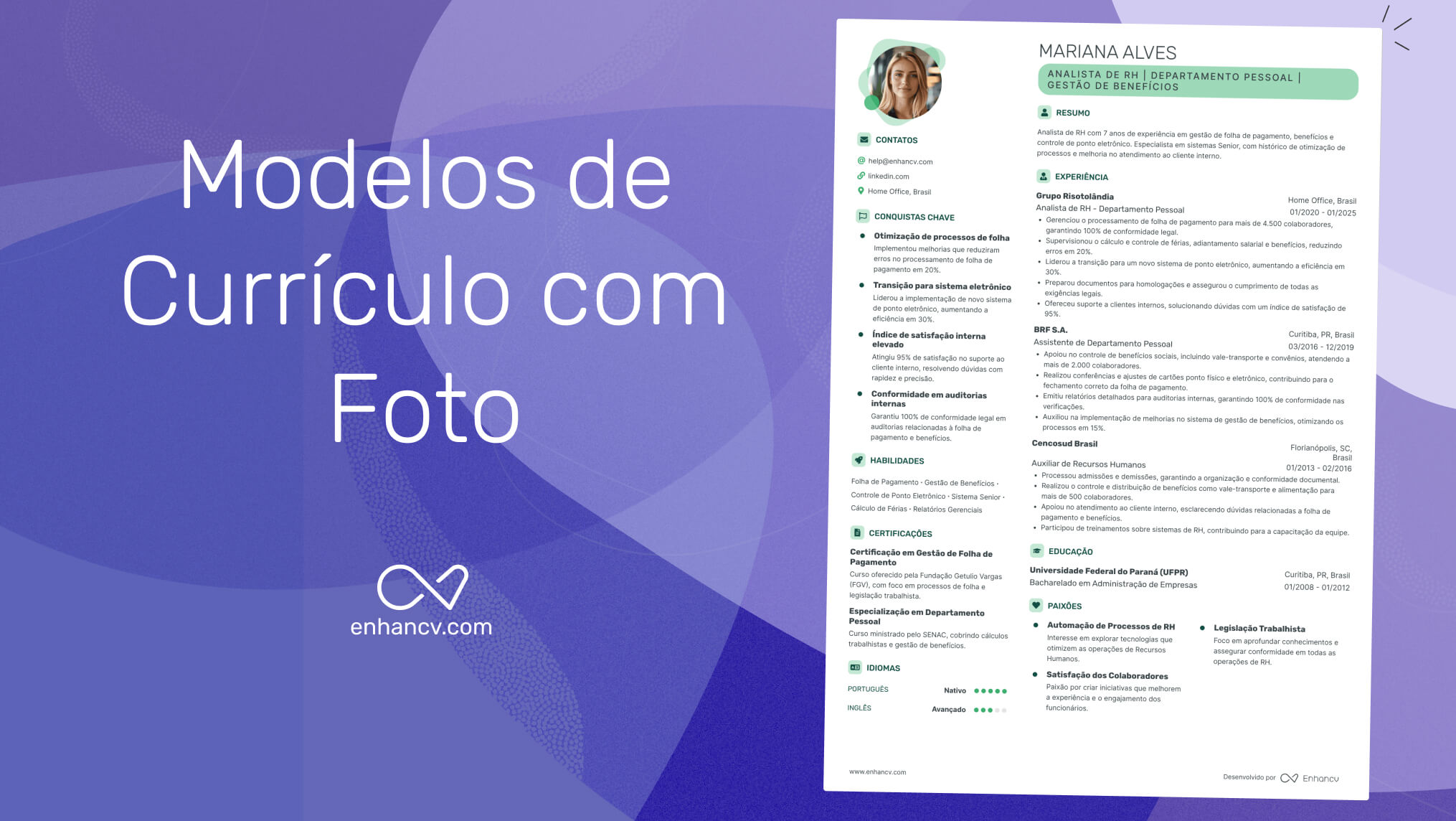
In today’s job market, your resume is often first screened by an Applicant Tracking System (ATS), many of which now use AI to parse and rank candidates. To navigate this initial digital gatekeeper, your resume must be both machine-readable and compelling to a human recruiter. Start by identifying keywords from the job description and ensuring they are naturally integrated into your experience and skills sections. However, don’t stop at simple keyword matching. It’s increasingly important to list specific AI tools and platforms you’re proficient with, such as generative AI models, data visualization software, or machine learning frameworks. As noted by the U.S. Chamber of Commerce, demonstrating a practical understanding of how to apply AI technologies is becoming a key differentiator for employers looking for a future-ready workforce on AI readiness.
Highlighting AI-Assisted Accomplishments
Instead of just listing skills, provide concrete examples of how you’ve used AI to achieve measurable results. Frame your accomplishments in terms of impact. For instance, instead of saying “Familiar with AI content tools,” write “Leveraged generative AI to increase content production by 30% while maintaining quality standards.” This shows you understand AI as a strategic asset, not just a technical novelty. Furthermore, emphasize soft skills that complement AI. A recent analysis from the World Economic Forum highlights the growing demand for analytical thinking and creative thinking as the most crucial skills for workers in the coming years. Your resume should tell a story of a professional who can couple human ingenuity with machine efficiency.
Building a Future-Proof Professional Profile
Your professional brand extends beyond your resume to platforms like LinkedIn, personal portfolios, and industry forums. Use these spaces to build a narrative of continuous learning and adaptation. A static profile is a red flag in a dynamic, AI-driven field. Actively share projects where you’ve integrated AI, write posts about recent trends in your industry’s use of artificial intelligence, and engage with content from thought leaders. A report from the Brookings Institution emphasizes that the most resilient workers will be those who commit to lifelong learning to keep pace with technological change and its implications. Listing certifications in data science, prompt engineering, or AI ethics can provide tangible proof of your commitment.
Showcasing Human-Centric Skills
While technical skills are crucial, your online profile is the perfect place to showcase the human-centric skills that AI cannot replicate. These include leadership, communication, collaboration, and ethical judgment. Document experiences where you led a team through a complex project, negotiated a difficult compromise, or made a critical strategic decision under uncertainty. Recommendations from colleagues on LinkedIn should be encouraged, especially those that speak to your collaborative spirit and problem-solving abilities. Companies are actively seeking individuals who can guide the ethical implementation of AI and manage teams in a hybrid human-AI environment. Your digital presence should reflect that you are one of those individuals.

Navigating the AI-Powered Interview Process
The job interview itself is being transformed by AI. Many companies now use AI-powered video interviews for initial screenings, where algorithms may analyze language, tone, and even facial expressions to assess a candidate’s fit. While the efficacy of some of these tools is debated, preparing for them is a practical necessity. Practice speaking clearly and concisely, maintain good posture, and focus on articulating your thoughts in a structured manner. Beyond the AI screening, be prepared to discuss AI intelligently with human interviewers. A recent article in Forbes suggests that candidates should be ready to talk about how they see AI impacting their role and the wider industry during the hiring process. This is your chance to demonstrate foresight and strategic thinking.
Asking the Right Questions About AI
An interview is a two-way street. Asking insightful questions about a company’s approach to AI demonstrates your expertise and interest. Inquire about their AI strategy, the tools their teams are currently using, and what opportunities exist for professional development in AI-related skills. Questions like, “How is the team using AI to enhance creativity and efficiency, rather than just automate tasks?” or “What is the company’s framework for the ethical use of AI?” show that you are thinking about the technology on a deeper level. This elevates you from a passive user to a potential strategic partner in the company’s AI journey, a quality highly valued by forward-thinking organizations in your job search.
The era of artificial intelligence is not just about automation, but augmentation. The most valuable professionals will be those who can collaborate effectively with AI systems, using them to amplify their own creativity, critical thinking, and strategic insights, ultimately driving innovation in ways neither human nor machine could achieve alone.
Should I list generative AI tools like ChatGPT on my resume?
Yes, if it’s relevant to the role. Instead of just listing the tool, describe how you used it to achieve a specific outcome, such as “Used ChatGPT to brainstorm marketing campaigns and draft initial copy, reducing ideation time by 40%.” This demonstrates practical application and results-oriented thinking.
How can I learn AI skills if my background is non-technical?
Start with foundational courses on platforms like Coursera, edX, or LinkedIn Learning that cover AI concepts, ethics, and practical applications. Focus on “low-code” or “no-code” AI tools relevant to your field (e.g., marketing, finance). The goal is to become an intelligent user and collaborator with AI, not necessarily a developer.
Will AI make creative and strategic jobs obsolete?
It’s more likely that AI will transform these jobs rather than eliminate them. AI can automate repetitive aspects of creative and strategic work, freeing up professionals to focus on higher-level thinking, ideation, and decision-making. Future roles will likely involve a partnership between human creativity and AI-powered analysis.
What exactly are “human-centric” or “soft” skills?
These are abilities rooted in human interaction and cognition that AI struggles to replicate. Key examples include critical thinking, complex problem-solving, emotional intelligence, communication, negotiation, leadership, and creativity. Employers are prioritizing these skills as they are essential for managing and directing AI effectively.
How should I talk about my weaknesses in an AI-powered interview?
Be honest but frame your weakness as an area for growth. For example, “I’m working on deepening my knowledge of advanced data analytics, so I’ve recently enrolled in a certification course to build on my current skills.” This shows self-awareness and a proactive commitment to improvement, which are positive traits for both AI algorithms and human recruiters.
Are cover letters still important with AI and ATS screeners?
Yes, but their role is evolving. A well-crafted cover letter can still be a powerful tool to tell a story that a resume cannot, especially for a human reviewer after the initial ATS screen. You can even use AI tools to help you draft a cover letter, but always personalize it extensively to reflect your voice and address the specifics of the job description.
Ultimately, preparing for the AI-driven job market is an exercise in agility and continuous growth. The specific tools and platforms will evolve, but the underlying need to adapt, learn, and highlight your unique human capabilities will remain constant. By taking deliberate steps to update your resume, refine your professional profile, and prepare for a new kind of interview, you can confidently position yourself as an indispensable asset in the future of work.
*Conditions may vary; check official rules.
Sources: [https://www.uschamber.com/technology/getting-the-u-s-workforce-ready-for-the-ai-revolution, https://aiindex.stanford.edu/report/, https://www.brookings.edu/articles/what-is-generative-ai-and-what-are-its-implications-for-workers/]